


The Evolution of Catholic Religious Iconography in History
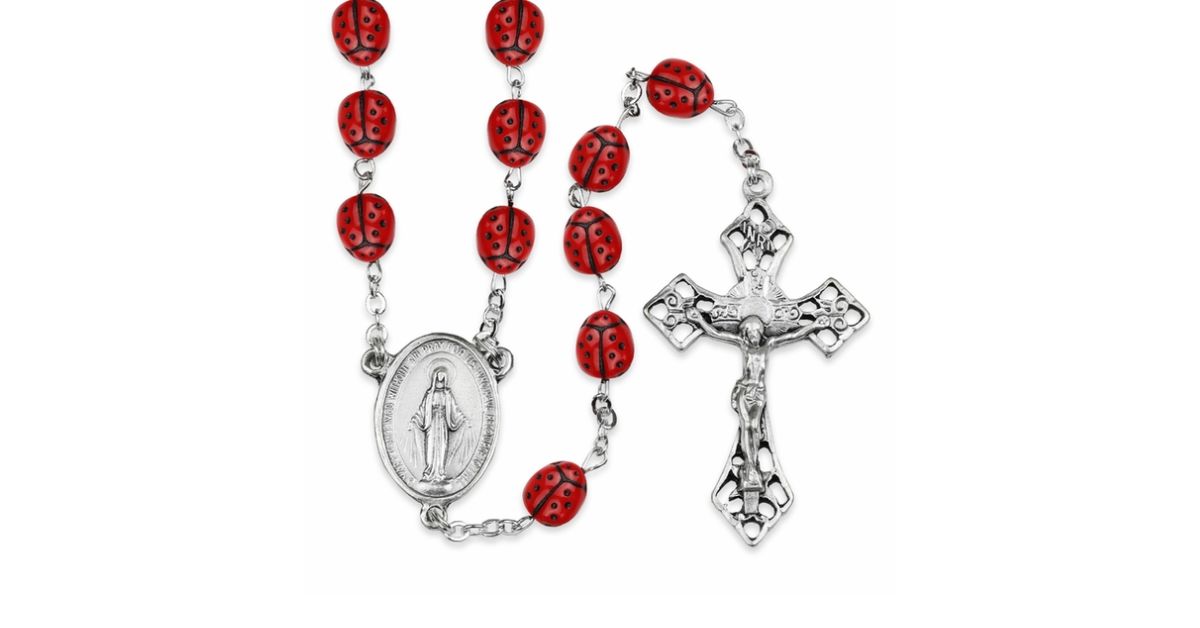
Catholic iconography has shaped Christian culture, devotion, and artistic expression for centuries. Believers have used sacred symbols to express faith, teach spiritual truths, and deepen their relationship with God. Artists, craftspeople, and religious leaders have carefully preserved these images while adapting them to changing eras. Understanding the evolution of Catholic religious iconography reveals how visual faith traditions continue to inspire believers today.
Throughout history, sacred imagery has helped Christians visualize the stories and values of their faith. Icons, crosses, and saintly images communicate spiritual meaning without requiring spoken words. These symbols remind believers of Christ’s sacrifice, the intercession of saints, and the beauty of divine grace. Today, many people continue to honor these traditions through meaningful items, such as Catholic jewelry, that reflect devotion and heritage. Let’s explore the evolution of Catholic religious iconography in history.
Early Christian Symbols and Hidden Faith
Early Christians faced persecution during the first centuries of the Church. They often expressed their faith through subtle and symbolic imagery that avoided drawing attention from Roman authorities. Believers carved simple signs into stone, pottery, and meeting places to identify fellow Christians and share messages of hope.
The fish symbol, known as the Ichthys, became one of the most recognizable early Christian images. Christians also used the anchor as a symbol of hope and stability in Christ. The Chi-Rho symbol combined the first Greek letters of Christ’s name and served as a quiet declaration of faith. These early symbols laid the foundation for the rich visual tradition that would later flourish within the Church.
The Rise of Christian Art After Constantine
Christian imagery expanded dramatically after Emperor Constantine legalized Christianity in the fourth century. Churches gained the freedom to decorate sacred spaces openly with biblical scenes and spiritual symbolism. Artists began to create elaborate mosaics, frescoes, and sculptures that illustrated the life of Christ and the stories of Scripture.
This period marked a turning point in the development of Christian visual culture. Churches used imagery to teach believers who could not read the written word. Religious artwork communicated lessons of sacrifice, redemption, and salvation in powerful visual form. Iconography transformed church buildings into living narratives of faith.
Byzantine Influence and Sacred Icon Traditions
The Byzantine Empire greatly shaped the development of Catholic religious imagery. Artists created icons that portrayed Christ, the Virgin Mary, and the saints with deep symbolism and spiritual reverence. These images followed strict artistic guidelines to maintain consistency and theological accuracy.
Byzantine icons used gold backgrounds, stylized features, and calm expressions to emphasize divine holiness. The purpose of these images extended beyond decoration. Believers viewed icons as windows into the spiritual world that invited prayer and contemplation. This tradition of sacred imagery influenced Christian art throughout Europe for centuries.
Medieval Devotion and the Expansion of Sacred Imagery
The Middle Ages introduced a powerful expansion of Christian artistic expression. Cathedrals filled with stained glass windows, carved stone figures, and painted altarpieces that illustrate the stories of salvation. Each artistic element guided worshippers toward deeper reflection on faith.
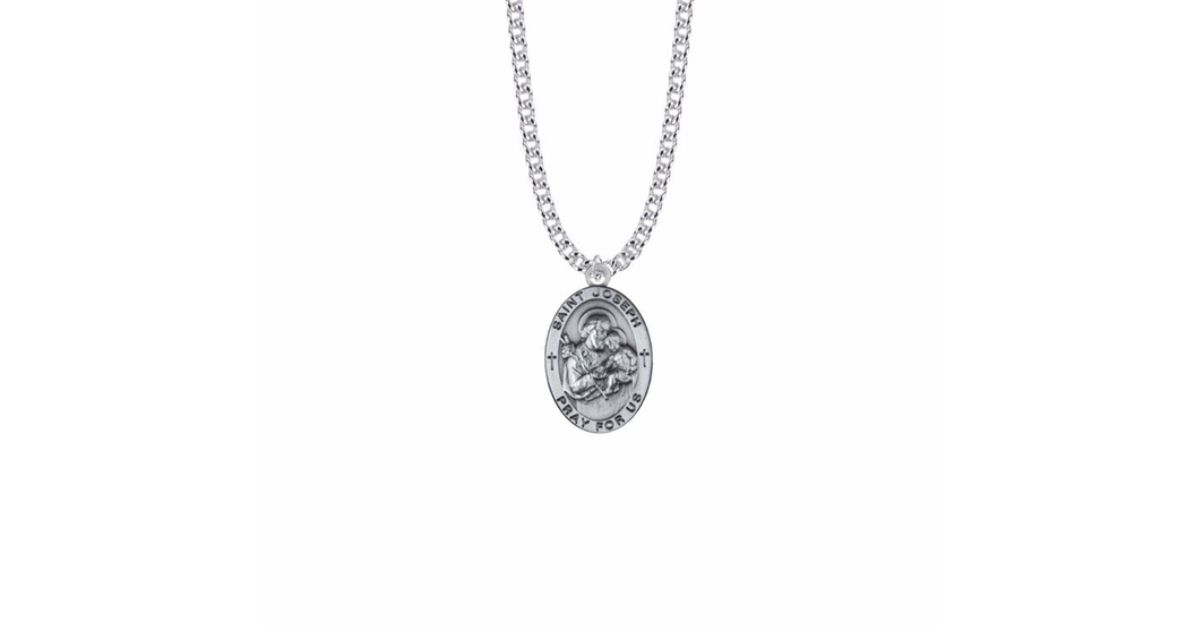
Saints gained increasing prominence in Christian imagery during this period. Artists portrayed them holding symbols that represented their lives or martyrdom. Saint Peter often appeared with keys, Saint Catherine with a wheel, and Saint Francis with animals. These visual identifiers helped believers recognize holy figures and connect with their stories of faith.
Renaissance Art and Human Expression in Faith
The Renaissance brought new artistic techniques and renewed attention to human beauty and emotion. Artists, such as Michelangelo, Raphael, and Leonardo da Vinci, portrayed religious scenes with stunning realism and depth. Their work combined technical mastery with profound spiritual meaning.
This era introduced natural movement, expressive faces, and detailed landscapes into sacred art. Religious imagery became more relatable as artists captured the humanity of biblical figures. Viewers could see Christ’s compassion, Mary’s sorrow, and the saints’ courage through carefully crafted artistic details. Renaissance iconography blended devotion with artistic excellence in unforgettable ways.
Common Catholic Symbols and Their Meaning
Many Catholic symbols continue to appear throughout centuries of sacred imagery. Each one carries deep spiritual meaning and connects believers with the traditions of the Church. Understanding these symbols helps people appreciate the richness of Catholic visual heritage.
Some of the most recognizable Catholic symbols include:
- The Cross: Represents Christ’s sacrifice and victory over death.
- The Sacred Heart: Symbolizes Christ’s love and compassion for humanity.
- The Rosary: Encourages meditation on the life of Jesus and Mary.
- The Dove: Represents the Holy Spirit and divine peace.
- The Lamb: Symbolizes Christ as the sacrificial Lamb of God.
Modern Expressions of Catholic Iconography
Catholic iconography continues to evolve in modern times while maintaining its spiritual roots. Artists and designers still draw inspiration from centuries of sacred tradition. They create meaningful pieces that allow believers to carry visible reminders of their faith in everyday life.
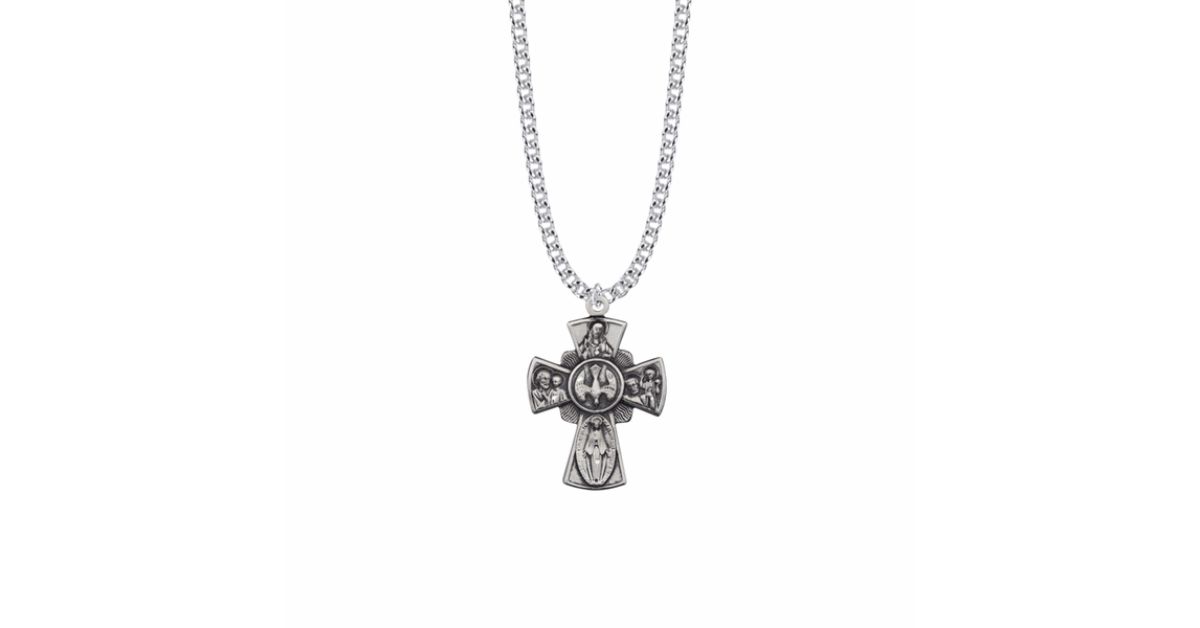
Modern religious artwork often blends classical symbolism with contemporary design. Crosses, saint medallions, and rosaries appear in styles that appeal to modern tastes while preserving spiritual significance. This balance allows sacred imagery to remain relevant for new generations of believers.
Faith, Craftsmanship, and Meaningful Devotional Pieces
Throughout history, skilled artisans have played an essential role in preserving sacred imagery. They have carefully crafted crosses, medals, and devotional objects that carry deep spiritual meaning. Their work blends artistic beauty with reverence for the faith they represent.
Today, True Faith Jewelry continues this tradition of artistry and devotion. We create pieces that honor the spiritual heritage of Catholic iconography while offering designs suited for modern believers. Every piece reflects careful attention to detail and respect for the symbols it represents.
Many people choose our Catholic jewelry to mark meaningful moments in their spiritual lives. Baptisms, confirmations, weddings, and other milestones provide opportunities to celebrate faith with lasting keepsakes. These items serve as daily reminders of prayer, purpose, and devotion.
The Lasting Legacy of Catholic Religious Iconography
Catholic religious iconography has evolved for nearly two thousand years while maintaining its spiritual foundation. Each era contributes to new artistic styles, materials, and interpretations that enrich the tradition. Despite these changes, the symbols themselves continue to communicate timeless truths about faith and salvation.
These sacred images remind believers of the life of Christ, the guidance of the saints, and the presence of God in everyday life. They also connect modern Christians with generations of faithful believers who came before them. Through art, devotion, and craftsmanship, Catholic iconography continues to inspire prayer and reflection.