


The Amazing Story of Saint Maximilian Kolbe
Maximilian Kolbe stands as a defining figure of 20th-century history. While many know him primarily for his final act of sacrifice at the Auschwitz concentration camp, his life prior to World War II displays a remarkable record of organizational efficiency, media innovation, and theological depth.
A Polish Conventual Franciscan friar, Kolbe combined intense spiritual dedication with a modern approach to communication. He used the most advanced technology of his day to spread his message, establishing a massive publishing empire and a self-sufficient religious community. This is a condense version of the amazing story of Saint Maximilian Kolbe for your enjoyment, highlighting why an investment in a miraculous medal is a great way to honor this religious great.
Raymond Kolbe Receives a Vision of Two Crowns
Born as Raymond Kolbe in 1894 in Zduńska Wola, which belonged to the Russian Empire at the time, he entered a family of weavers. His parents, Juliusz and Maria, struggled financially but maintained a devout household. A pivotal moment in his early development occurred during his childhood. After his mother scolded him for mischief, Raymond prayed to the Virgin Mary at a local church.
He later recounted that the Virgin Mary appeared to him holding two crowns. One crown appeared white, signifying purity, while the other appeared red, signifying martyrdom. She asked if he willing to accept either of them. In a moment of characteristic decisiveness, the young Raymond accepted both. This event set the trajectory for his future. He did not view this vision as a symbolic gesture but as a concrete agreement that would define his operational path. It instilled in him a sense of urgency and a willingness to endure suffering for his cause.
Founding the Militia Immaculatae
Maximilian did not wait for his ordination to begin his work. In 1917, while still a student in Rome, he founded the Militia Immaculatae (MI), or the Army of the Immaculate. He gathered six fellow friars to establish this movement. The statutes of the organization outlined a clear objective: the conversion of sinners and enemies of the Church through the intercession of the Virgin Mary.
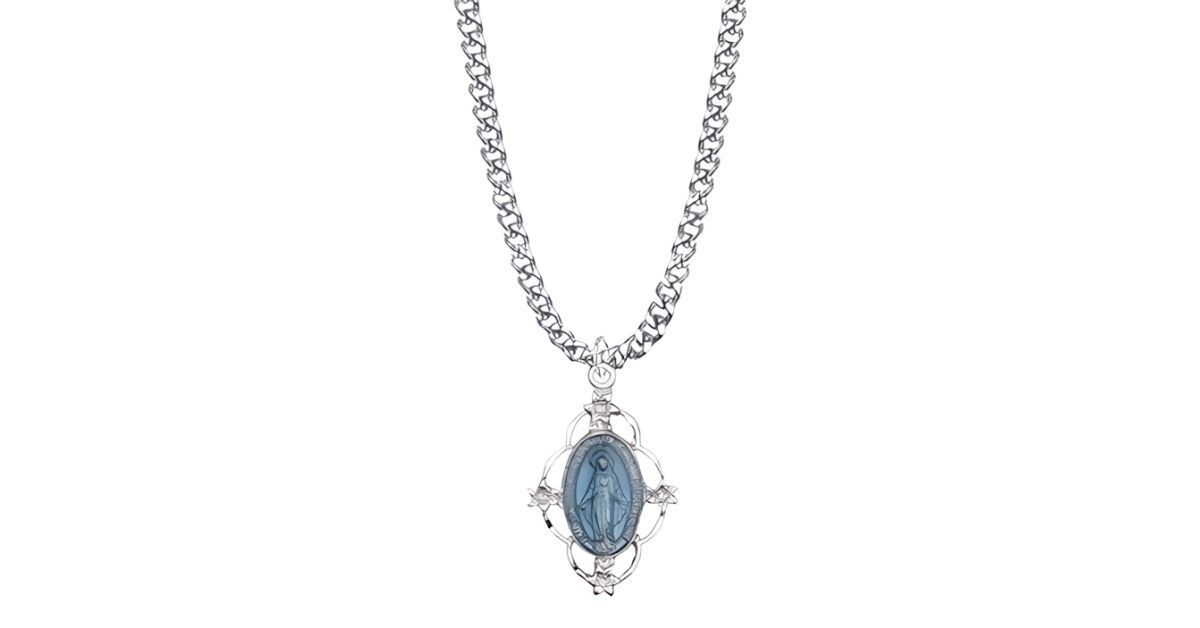
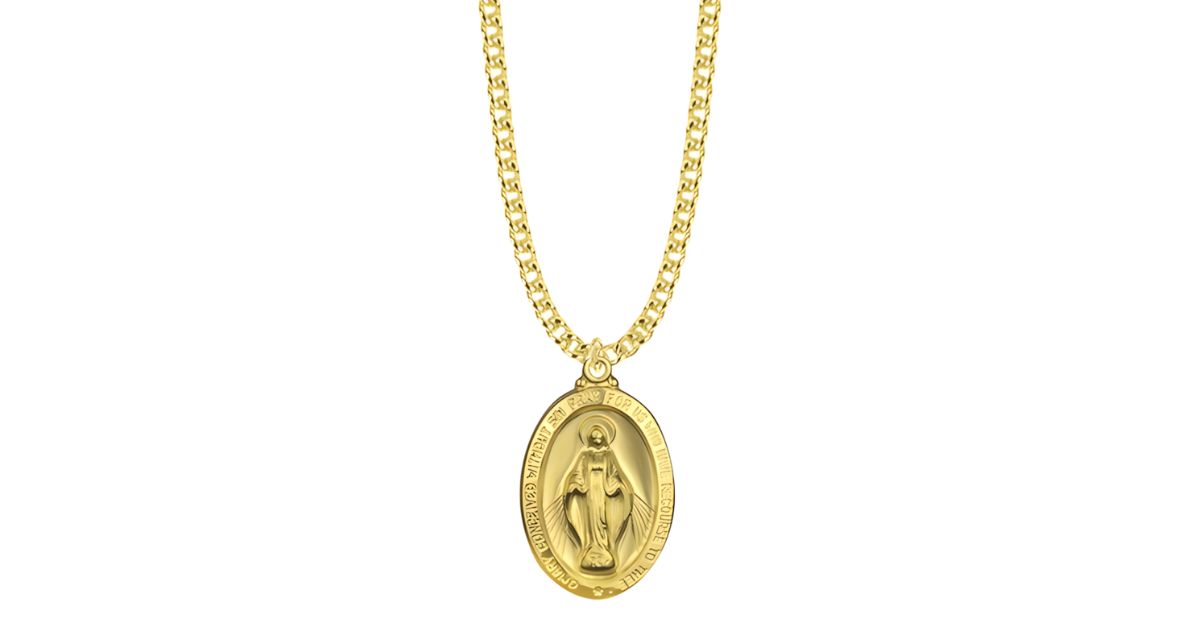
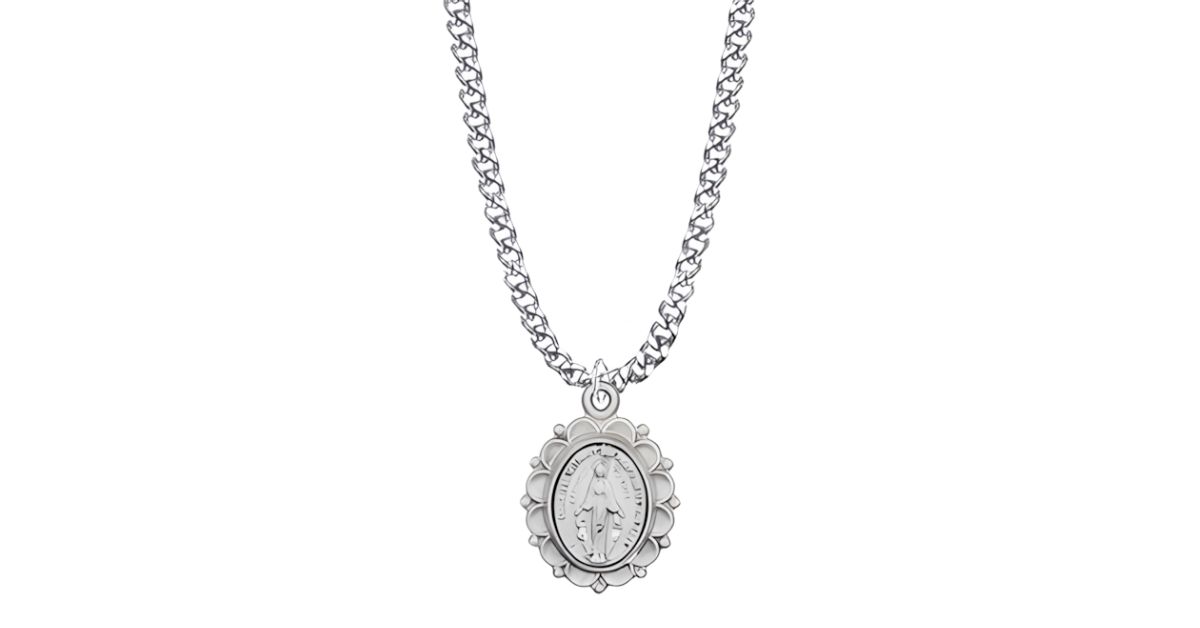
Kolbe designed the MI to function with military precision. He required members to consecrate themselves totally to Mary. As a primary tool for this spiritual campaign, he used the miraculous medals as a physical sign of this commitment. He encouraged members to distribute these items widely to spark curiosity and faith. The organization grew rapidly because Kolbe removed barriers to entry and provided members with clear, actionable instructions. He viewed every member as a strategic asset in a larger global mission.
Expansion Through Modern Media Publishing
After his ordination and return to Poland in 1919, Kolbe launched a publishing venture to support the MI. He recognized that print media held the power to shape public opinion. In January 1922, he began publishing Rycerz Niepokalanej (Knight of the Immaculata).
He started with modest equipment but quickly scaled operations. By 1938, the monthly circulation figures hit one million copies. Kolbe didn't shy away from using the latest technology. He purchased modern rotary presses and updated typesetting machinery to support high production value and efficiency. He operated the publishing house like a modern business, focusing on distribution logistics and audience reach. His approach proved that religious organizations could compete with secular media by adopting professional standards and efficient production methods.
Establishing the City of the Immaculata
As the publishing work outgrew the existing Franciscan facilities, Kolbe negotiated for a plot of land near Warsaw. In 1927, he founded Niepokalanów, the "City of the Immaculata." This was not a traditional monastery but a massive production complex.
Niepokalanów functioned as a self-contained industrial town. At its peak, it housed over 700 friars, making it the largest religious house in the world at that time. Kolbe organized the residents into specialized departments to sustain maximum efficiency. The complex included:
- A fully operational printing plant
- A radio station for broadcasting
- A fire brigade
- A bakery and infirmary
- Construction and repair workshops
Missionary Work in East Asia
Kolbe sought to replicate his systematic success abroad. In 1930, he traveled to East Asia with four fellow friars. They arrived in Nagasaki, Japan, without knowing the language or having significant funds. Despite these logistical hurdles, Kolbe began publishing a Japanese edition of the Knight within a month.
He established a new monastery, Mugenzai no Sono (Garden of the Immaculate), on the outskirts of Nagasaki. Local Shinto priests advised against the location he chose on the side of Mount Hikosan, claiming it was the wrong side for spiritual reasons. Kolbe selected the site based on his own calculations regarding efficiency and protection. This decision proved providential years later. When the atomic bomb detonated over Nagasaki in 1945, the mountain shielded the monastery from the blast, saving the building and the friars inside.
Imprisonment in Auschwitz Concentration Camp
In February 1941, the Gestapo shut down the monastery and arrested Kolbe. They transferred him to Pawiak prison in Warsaw and eventually to Auschwitz on May 28, 1941. The camp officials assigned him prisoner number 16670.
Even in the brutal conditions of the camp, Kolbe maintained his priestly vocation. Witnesses reported that he shared his meager food rations with others and heard confessions in secret. The guards targeted him specifically because he was a priest, subjecting him to severe beatings and hard labor. Despite the physical deterioration, he maintained his psychological and spiritual discipline, urging fellow prisoners to forgive their tormentors and maintain hope. He continued to operate as a spiritual leader by organizing prayers and providing moral support within the barracks.
The Ultimate Sacrifice for a Stranger
In late July 1941, a prisoner escaped from the camp. To deter future attempts, the deputy camp commander, Karl Fritzsch, selected ten men to die by starvation in an underground bunker. One of the selected men, Franciszek Gajowniczek, cried out in despair for his wife and children.
Kolbe stepped out of the line. He approached the commander and offered to take Gajowniczek's place. This action broke all camp protocol. Surprisingly, the commander accepted the substitution. The guards marched Kolbe and the nine other men to Block 11. In the starvation bunker, Kolbe took lead for the other prisoners in prayer and hymns. He transformed the atmosphere of the cell from one of panic to one of calm dignity. After two weeks without food or water, Kolbe remained the only one still fully conscious.
Legacy of the Knight of the Immaculata
The amazing story of Saint Maximilian Kolbe left behind a thriving legacy that extends beyond his martyrdom. The Militia Immaculatae continues to operate globally, and Niepokalanów remains a functioning Franciscan friary and publishing center. His approach to media demonstrates that effective communication requires both a clear message and a reliable delivery system. Shop with True Faith Jewelry to get a piece of symbolic jewelry to keep this story alive in a honorable, respectable way.